

Companion Planting
Working with plants that support and protect one another.
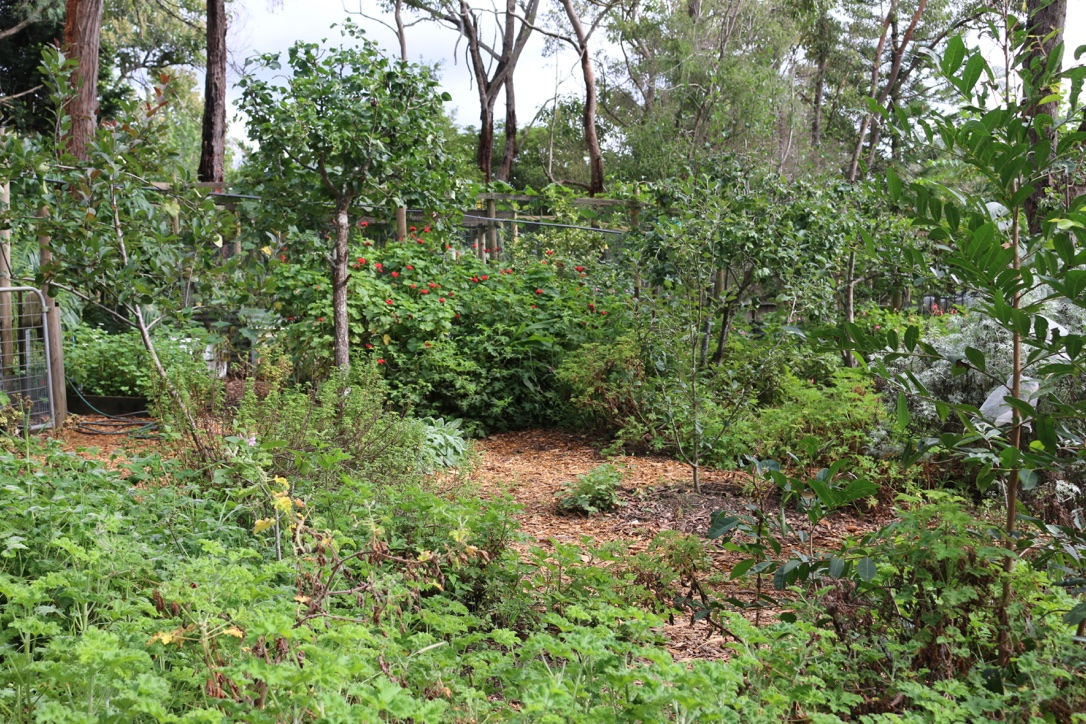
At Earthkeepers, companion planting and intercropping are used throughout the garden. By observing how different plants grow together, plants can provide protection, shade and support for one another.
Working with nature
At Earthkeepers, companion planting and intercropping are used to help plants grow and protect one another from intense pest attack.
Plants can help one another by disguising each other’s scent and conditioning the soil to aid recovery. In our stone fruit orchard, herbs and fragrant plants are grown beneath the fruit trees. Dense planting also helps to retain moisture in the soil.
Plant Support & Protection
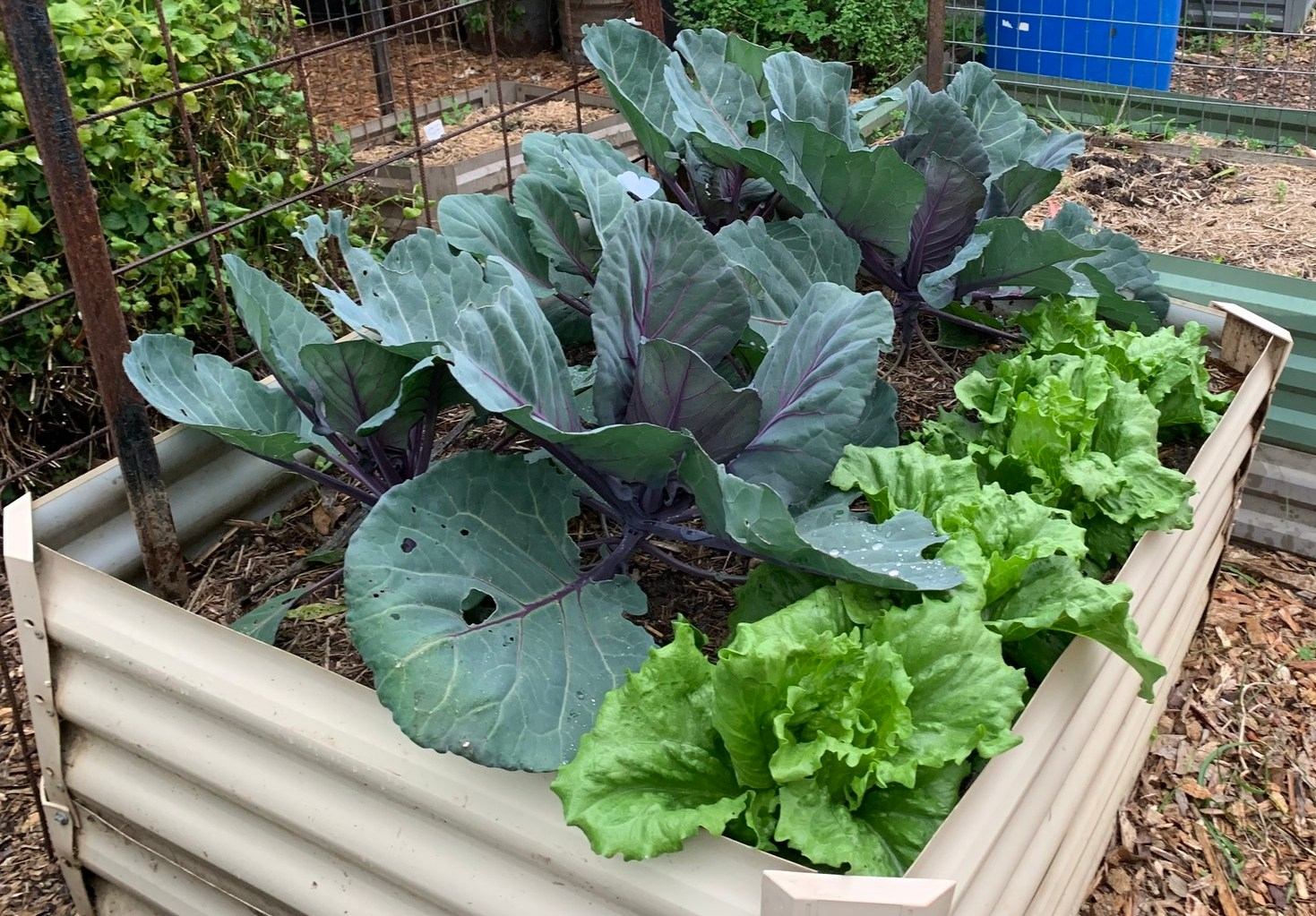
Great Lakes lettuce is grown beneath the leaves of tough, all-weather red cabbage.
Lettuce can be bleached by the sun, burnt by summer winds and damaged by heavy rain. Once the red cabbage has formed its first leaves, lettuce seeds are planted nearby, allowing the cabbage leaves to provide protection.
This is nature at work in the garden.
Plants Supporting Each Other
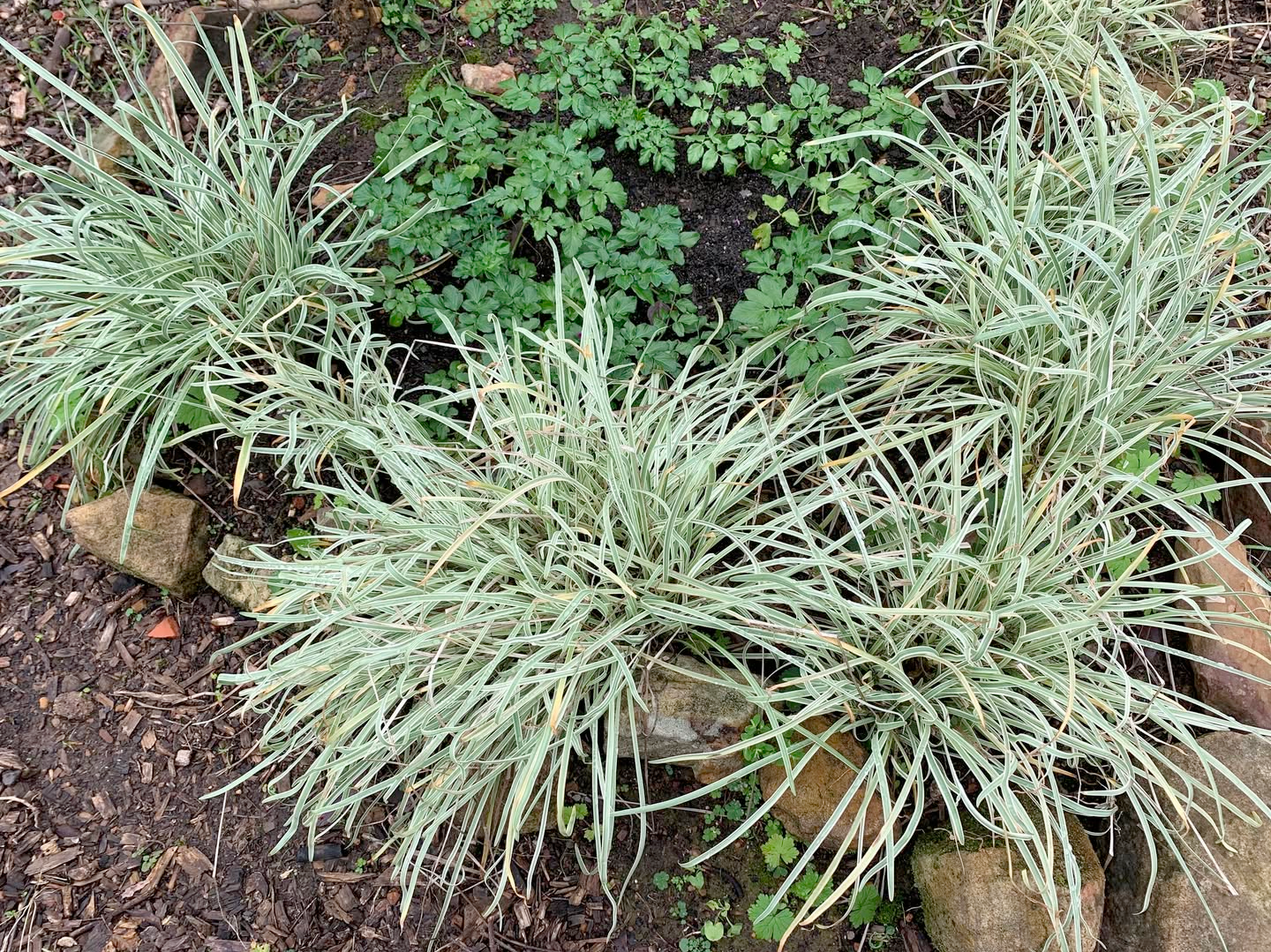
Variegated garlic chives provide protection from the wind and afternoon sun for vulnerable coriander and parsley seedlings.
Parsley can sometimes grow faster than coriander, providing dappled shade for the coriander as it grows.
Companion Planting for Healthy Soil
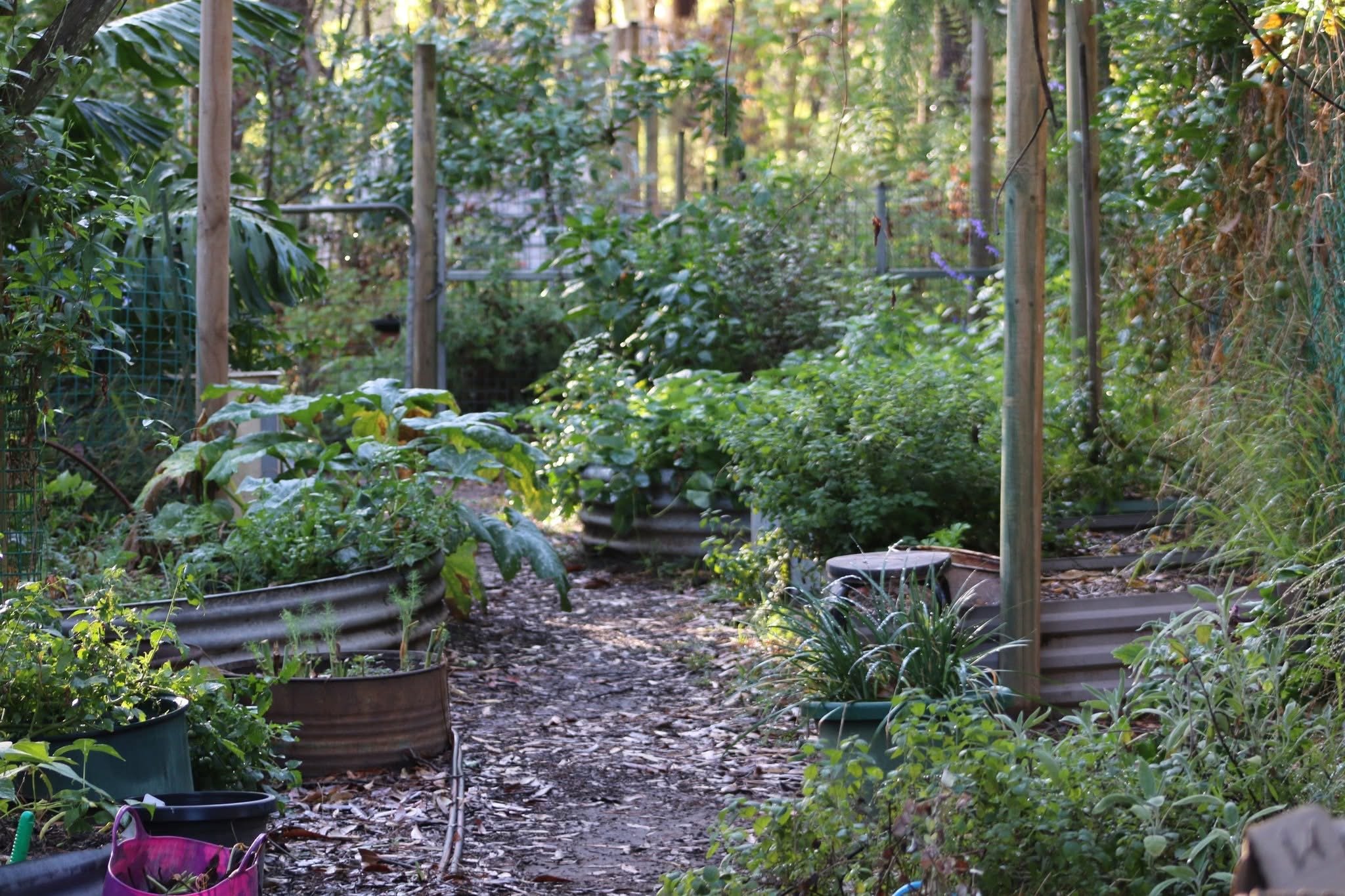
Companion planting is also used at Earthkeepers to help the soil.
Broccoli is planted with snow peas, combining plants that have different demands on the soil. Beans and peas are used as companion plants to help keep the soil healthy.