Natural Pest Management
Working with nature
At Earthkeepers, natural pest management is about working with nature.
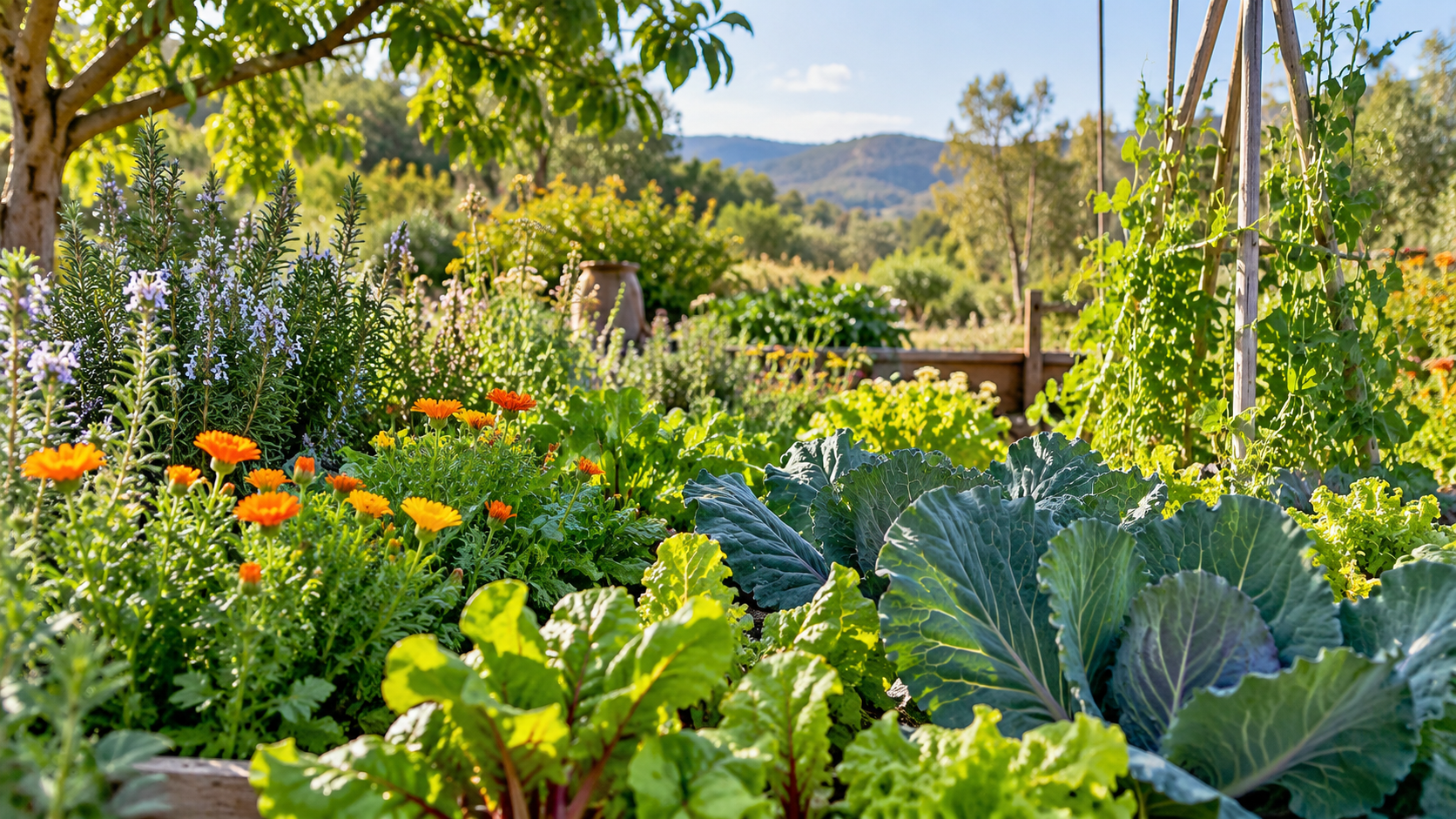
Intercropping is a technique where plants help each other to grow and protect one another from intense pest attack. They do this by disguising each other’s scent and conditioning the soil to aid recovery.
In our stone fruit orchard, herbs and fragrant plants are grown beneath the fruit trees. Dense planting also helps to retain moisture in the soil.
Working With Insects
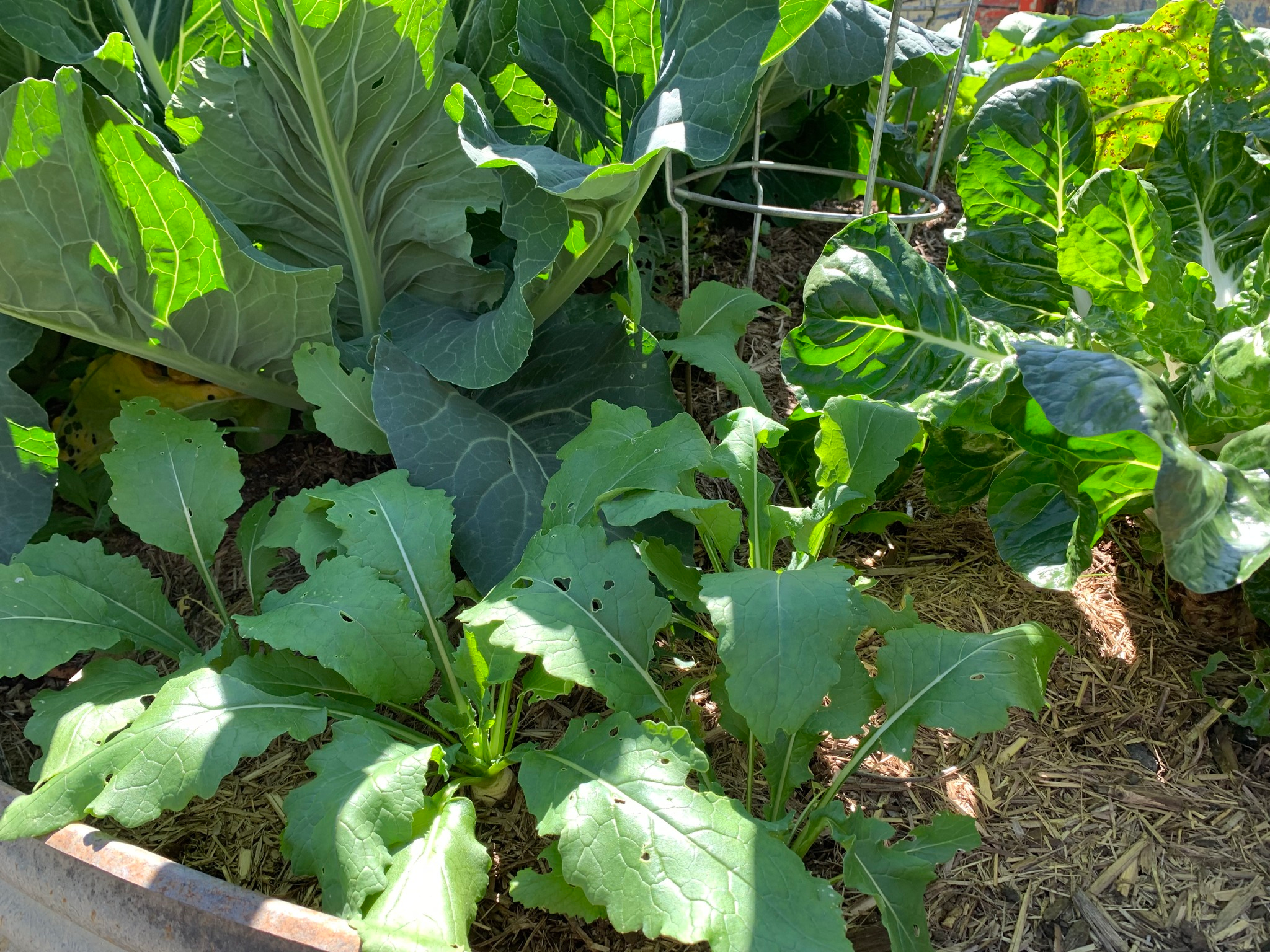
Throughout every season of the year, we grow cauliflower, broccoli and white turnips.
During summer, insects like to feast on their leaves. Rather than seeing this as a problem, it is an opportunity to watch nature at work.
A large white cauliflower can continue its growth journey while sharing its leaves with leaf-munching insects.
When white turnips are ready for the pot, their discarded leaves are given to the chickens.
In every season, nature has a lot to teach us
Working With Insects
Throughout every season of the year, we grow cauliflower, broccoli and white turnips.
During summer, insects like to feast on their leaves. Rather than seeing this as a problem, it is an opportunity to watch nature at work.
A large white cauliflower can continue its growth journey while sharing its leaves with leaf-munching insects.
When white turnips are ready for the pot, their discarded leaves are given to the chickens.
In every season, nature has a lot to teach us
Tricking Insects
Each year there is a race to beat the white cabbage moth and its grubs before they devour members of the Brassica family.
At Earthkeepers, planting and harvesting schedules are organised around the seasonal decline of the cabbage moth. Brassica crops are not planted until the cabbage moth has moved into this seasonal decline.
Companion Planting & Soil
Members of the Brassica family are heavy feeders, so companion planting is used to help the soil.
Broccoli is planted with snow peas, combining plant types that help revitalise rather than deplete the soil. Beans and peas are also used to help keep the soil healthy.
Because you've already covered companion planting on the previous page, I'd keep this section short here. It belongs on this page because it's part of the original Tricking Insects section, but we don't need to repeat everything.