Vegetable Growing
Practical knowledge gathered from decades in the garden.
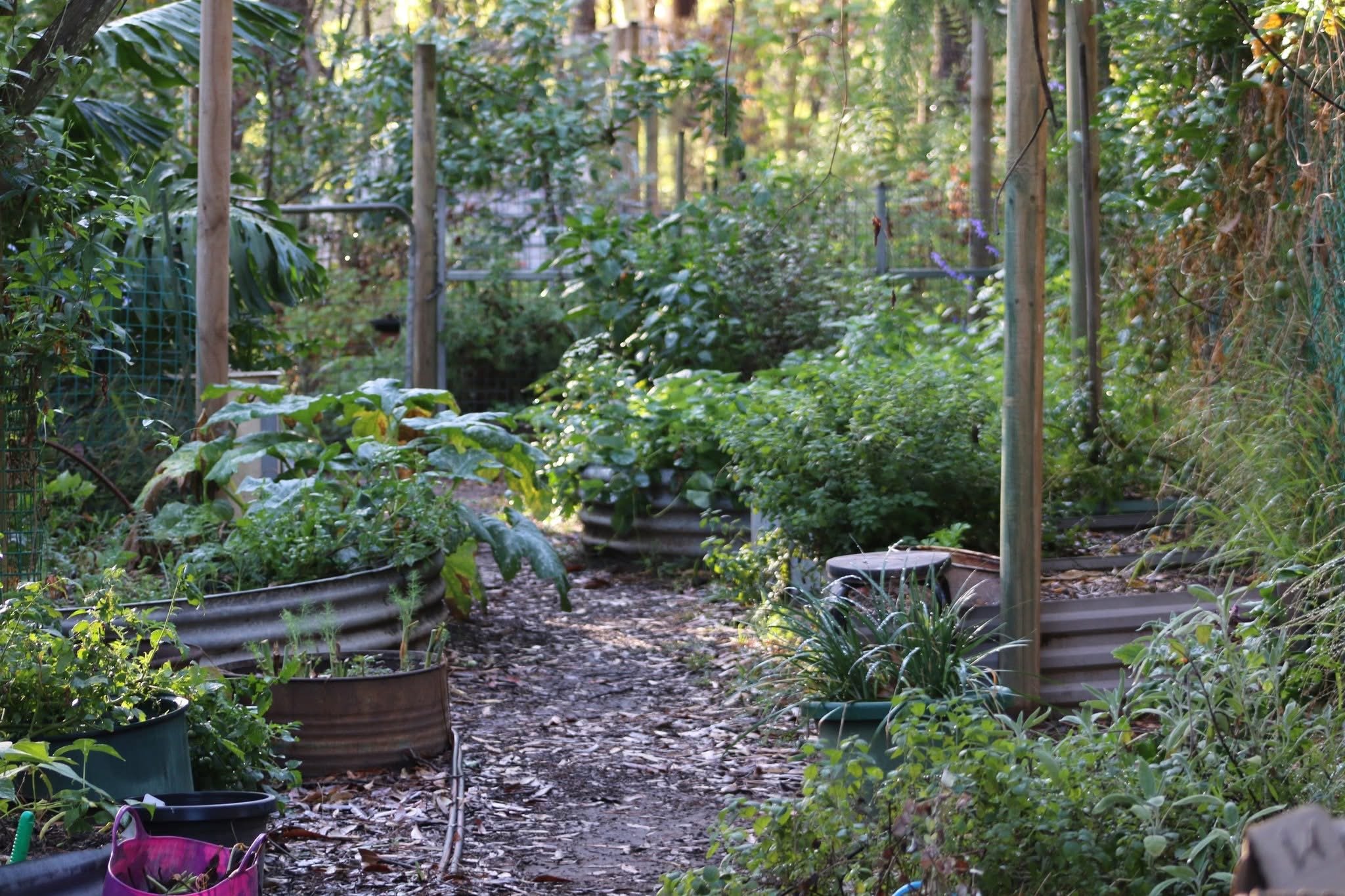
Growing vegetables at Earthkeepers is about more than planting and harvesting. Over the years, we have learnt to observe the seasons, understand what individual plants need and allow plants to work together.
By experimenting, observing and working with nature, our vegetable garden continues to provide food throughout the year.
Bountiful Capsicums
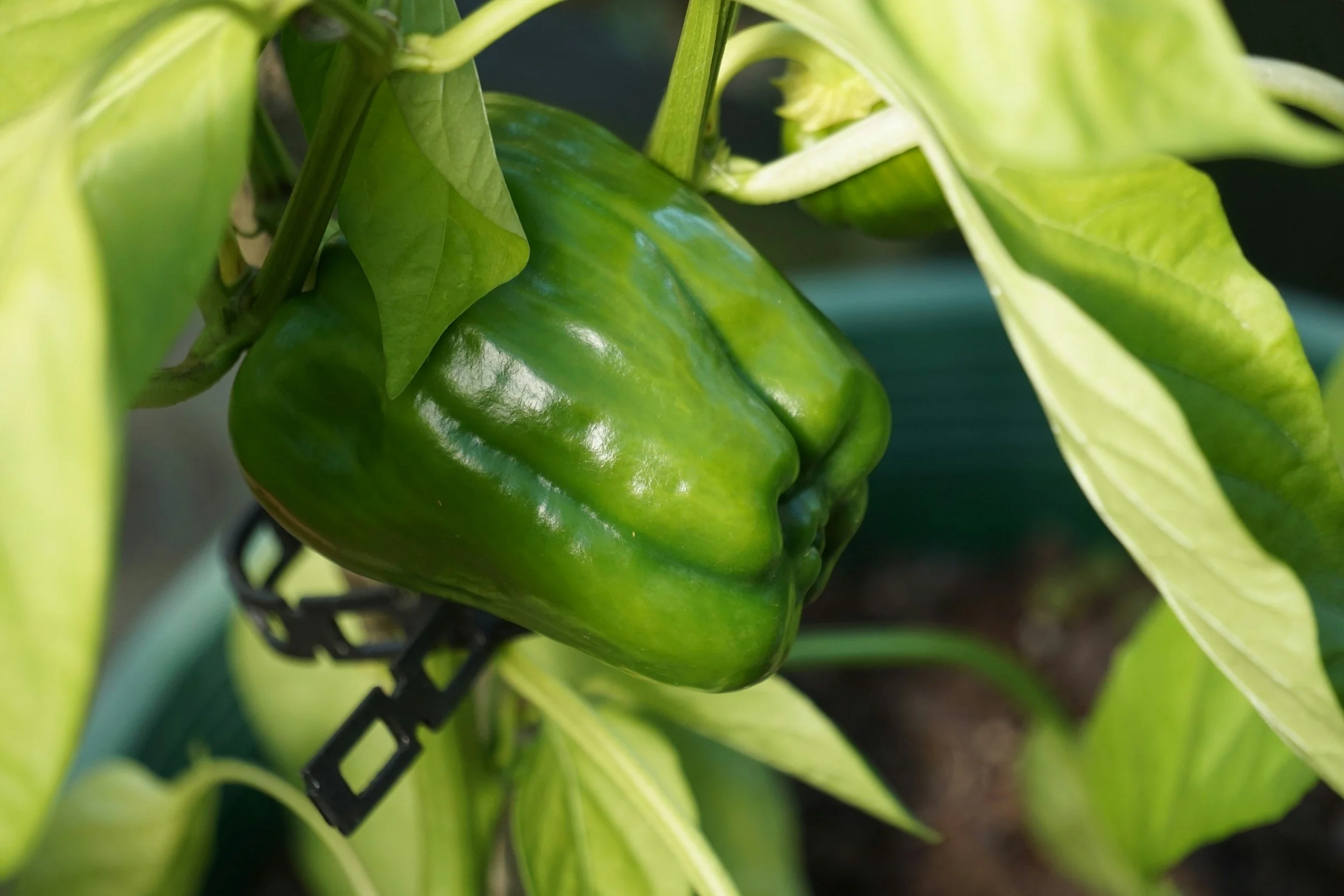
Capsicums can be surprisingly long-lived plants. With regular watering and compost, they can remain healthy and productive for many years.
At Earthkeepers, some of our capsicum plants have lived for eight to ten years. As the plants mature, we have found they become increasingly resilient to insect attack, harsh sun and chilly weather.
Growing Cucumbers
Cucumbers love water and enjoy the morning sun.
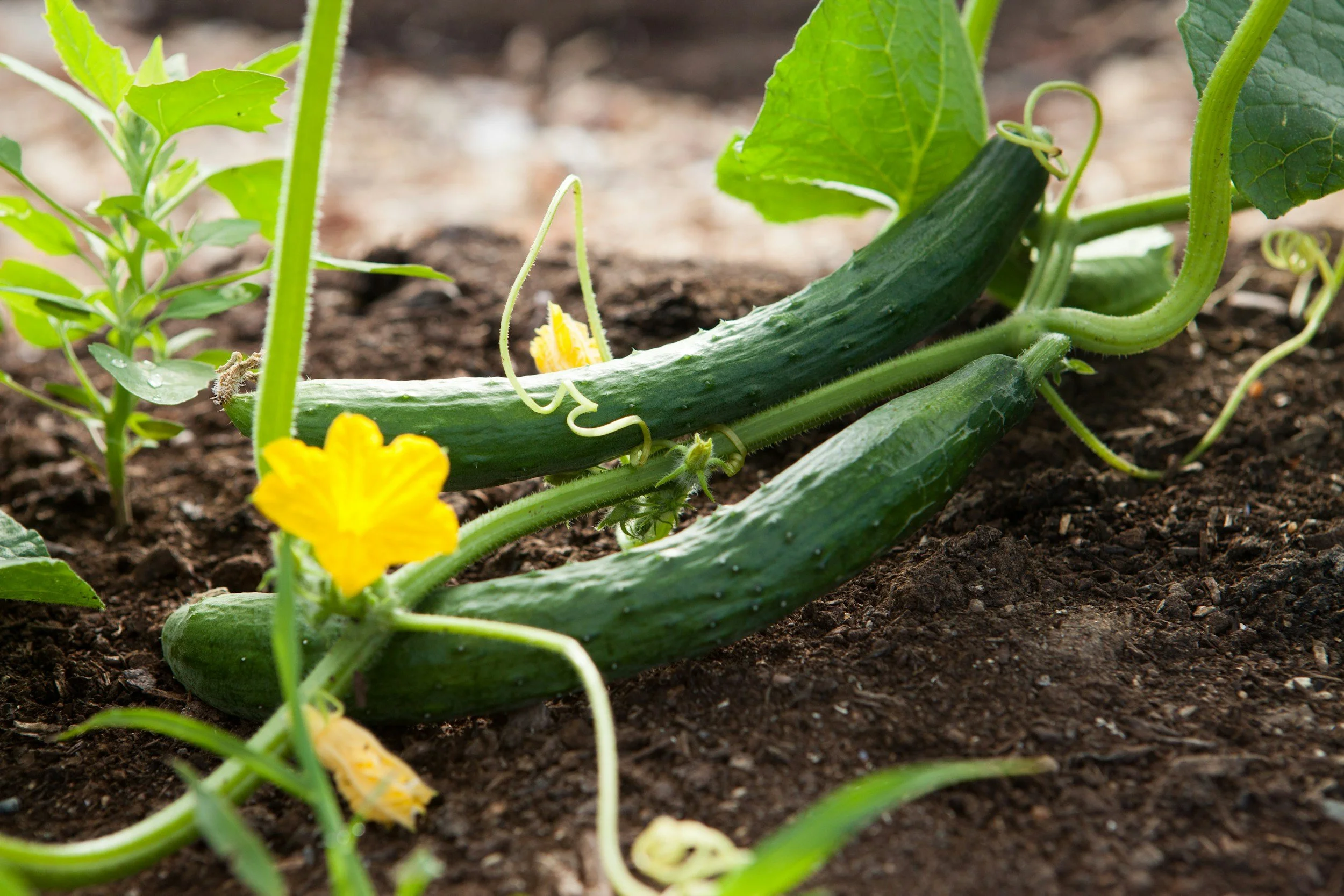
To help retain moisture in the soil, we grow leaf lettuce around the base of our climbing cucumber plants. A sturdy trellis is also important, as a healthy cucumber plant can become heavy as it grows.
At Earthkeepers, we have even created trellises using recycled wire mesh attached to old pool-fence poles.
One healthy cucumber plant can provide a family with cucumbers for eight to ten weeks. We traditionally grow both Lebanese and Apple cucumbers, with some of the harvest used to make cucumber pickle and relish.
Lettuce & Cabbage
Sometimes the best protection for a vegetable is another plant.
Great Lakes lettuce can be vulnerable to strong summer sun, hot winds and heavy rain. At Earthkeepers, lettuce is grown beneath the protective leaves of red cabbage.
Once the cabbage has established its first leaves, lettuce seeds can be planted nearby, allowing the larger cabbage leaves to provide natural shelter.
This is nature at work in the garden.
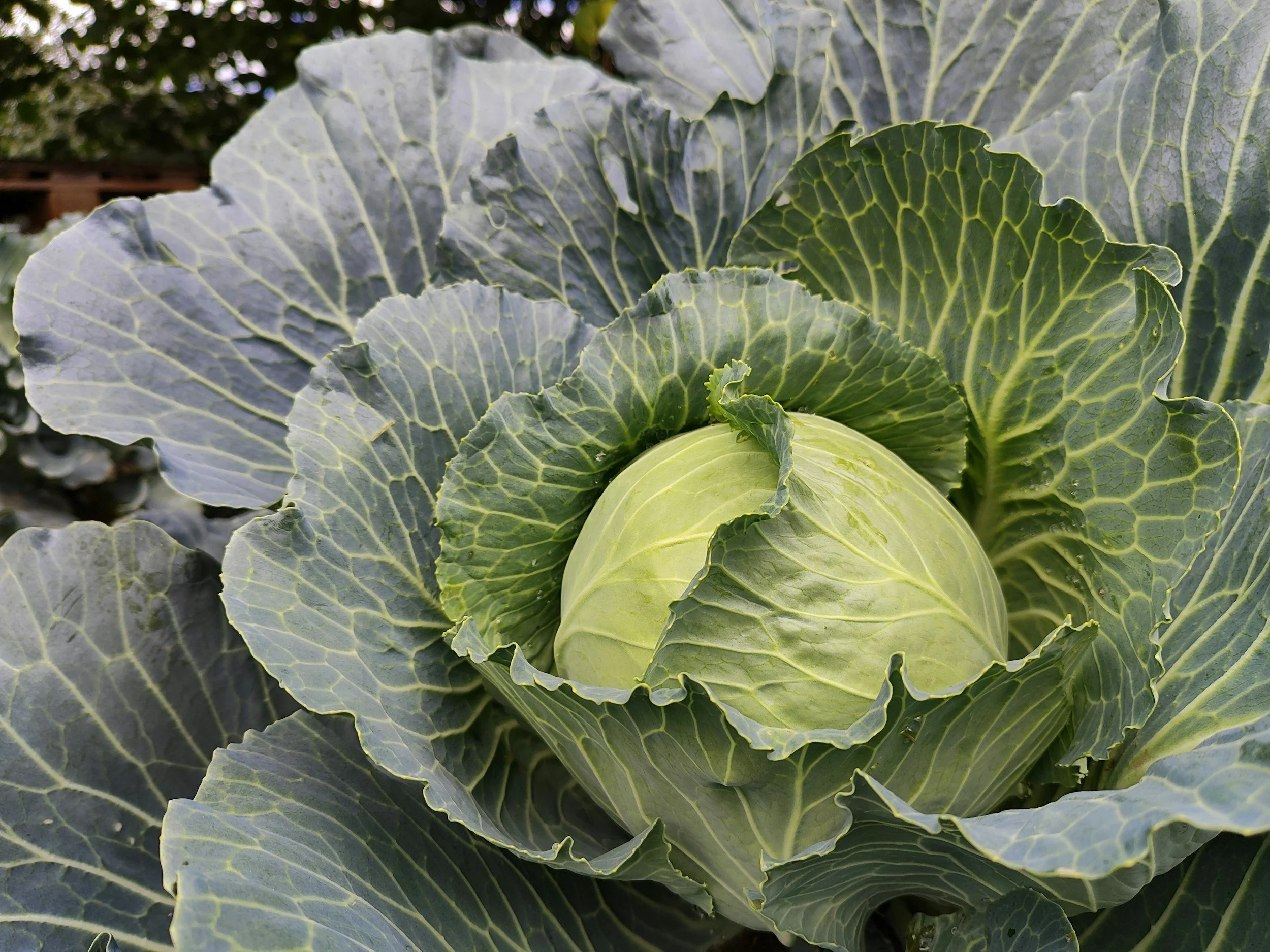
Growing Brassicas
Cauliflower, broccoli and white turnips are grown throughout the seasons at Earthkeepers.
During summer, insects may feast on their leaves — but this doesn't necessarily mean the crop has failed. Healthy vegetables can continue developing while sharing their leaves with insects.
It's another reminder that a productive garden doesn't always need to look perfect.
Once harvested, turnip leaves can also become food for the chickens, helping ensure very little goes to waste.
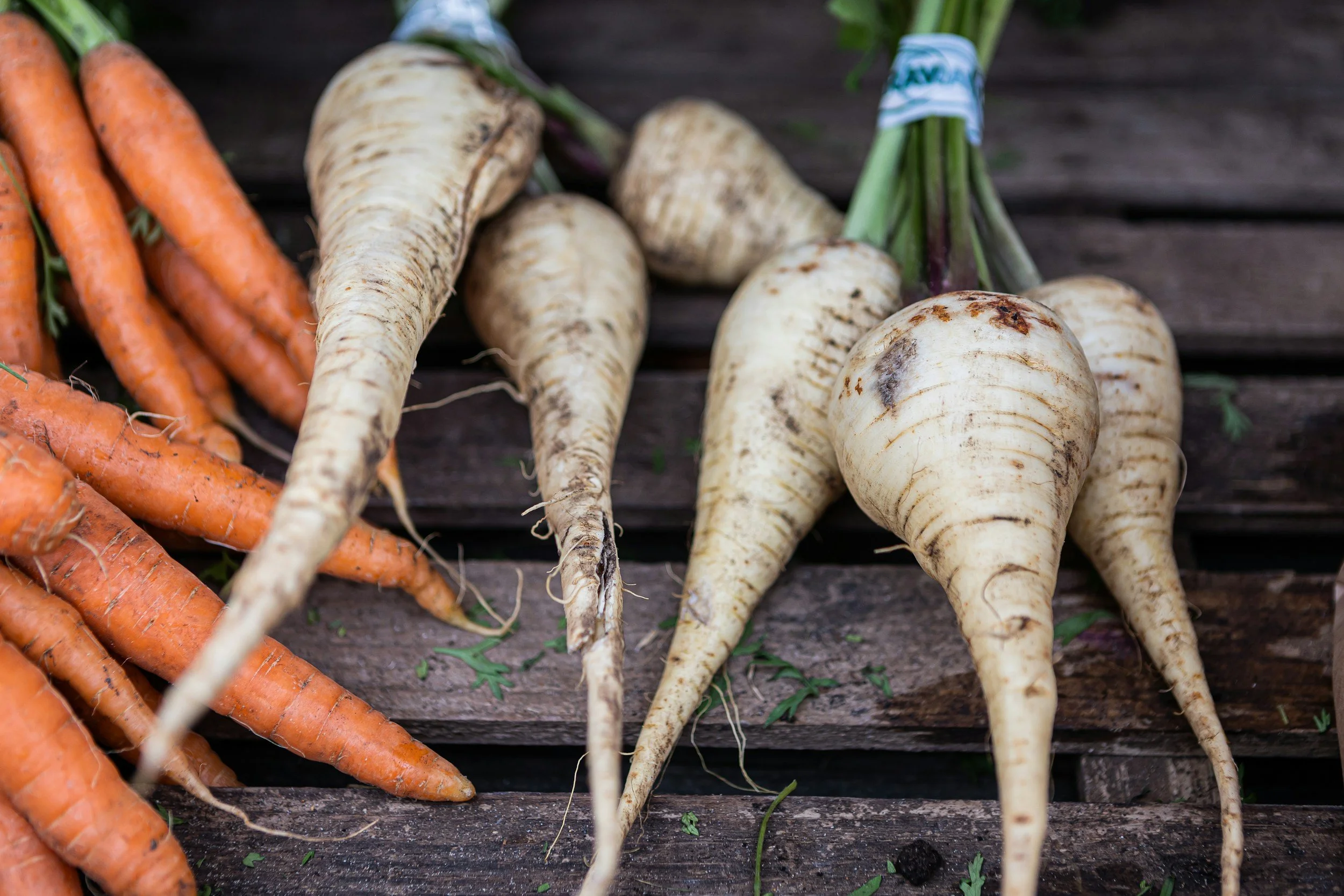
Getting More From Your Broccoli
With a little attention, broccoli can continue producing for an extended period.
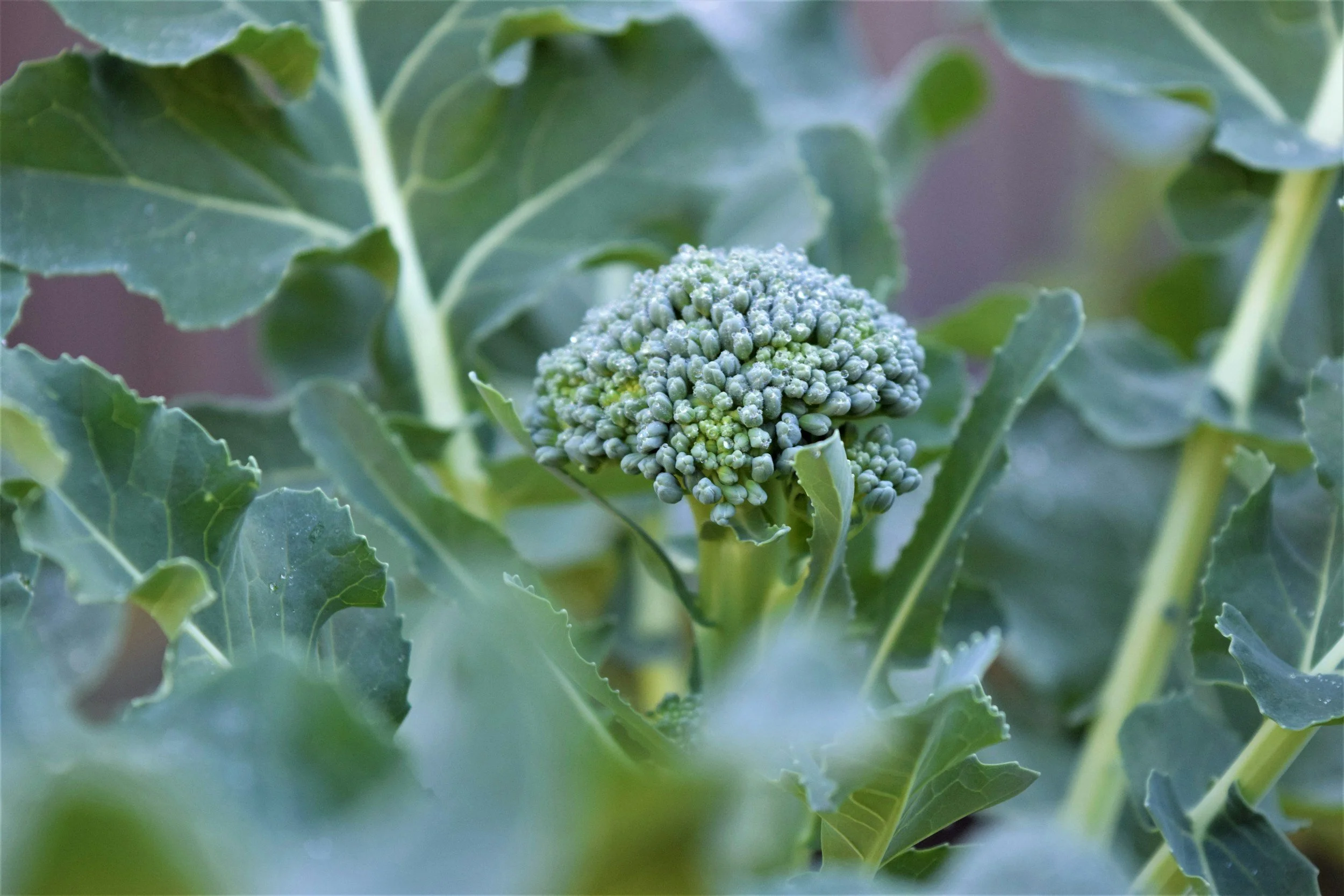
When harvesting the main flower head, make a clean cut. Afterwards, fertilise and mulch the plant to encourage the development of additional, usually smaller, flower heads.
As an established broccoli plant matures, new plants may also develop around its base. These can be carefully separated and replanted.
At Earthkeepers, this approach has allowed individual broccoli plants to continue producing for up to fifteen months.