Helpful Hints
Wood Ash
Practical uses for around the garden and home
Wood Ash
Making Use of a Valuable Natural Resource
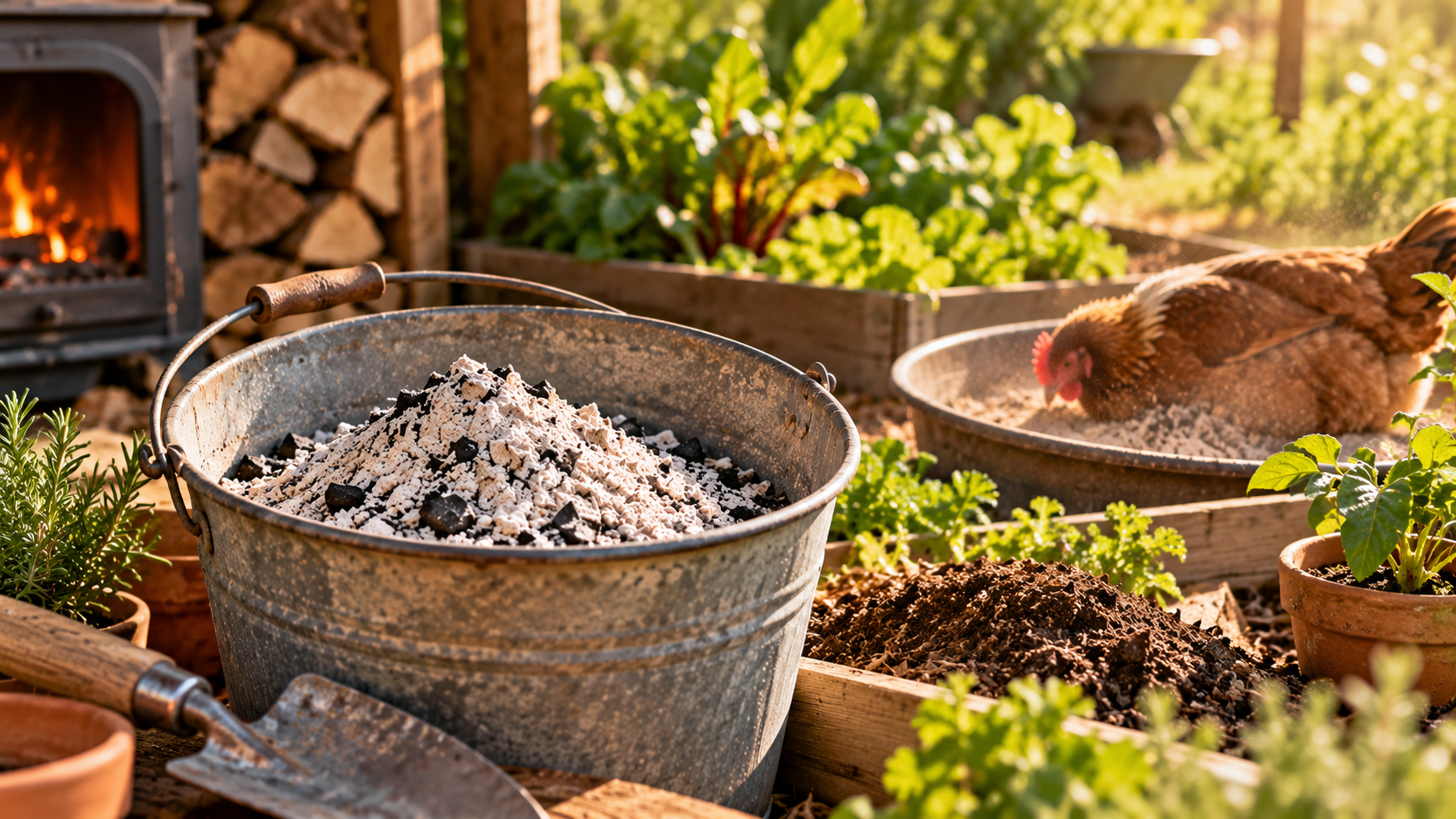
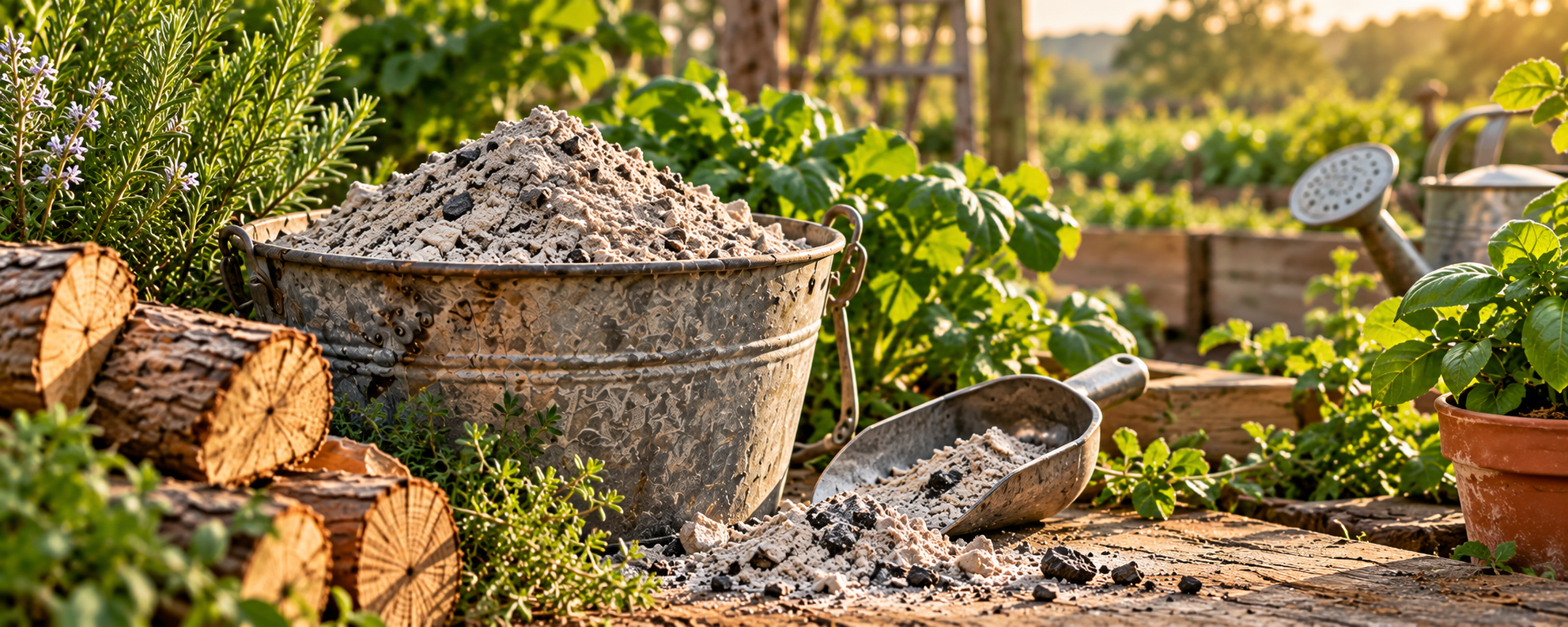
Wood ash has been used for centuries rather than simply being discarded. It can contain calcium, magnesium, potassium, phosphorus and other trace elements, making it useful in both the garden and around the home.
The nutrients found in ash depend on what has been burned. Much of a tree's nutrients are found in and beneath the bark, so including small and medium branches with their bark intact can produce a more nutrient-rich ash.
Keep Safe: When working with wood ash, always wear a dust mask.
Using Wood Ash in the Garden
Wood ash can have a number of practical uses throughout the garden, from helping balance acidic soil to being incorporated into compost.
Soil Balancer
Wood ash can be used to help reduce soil acidity.
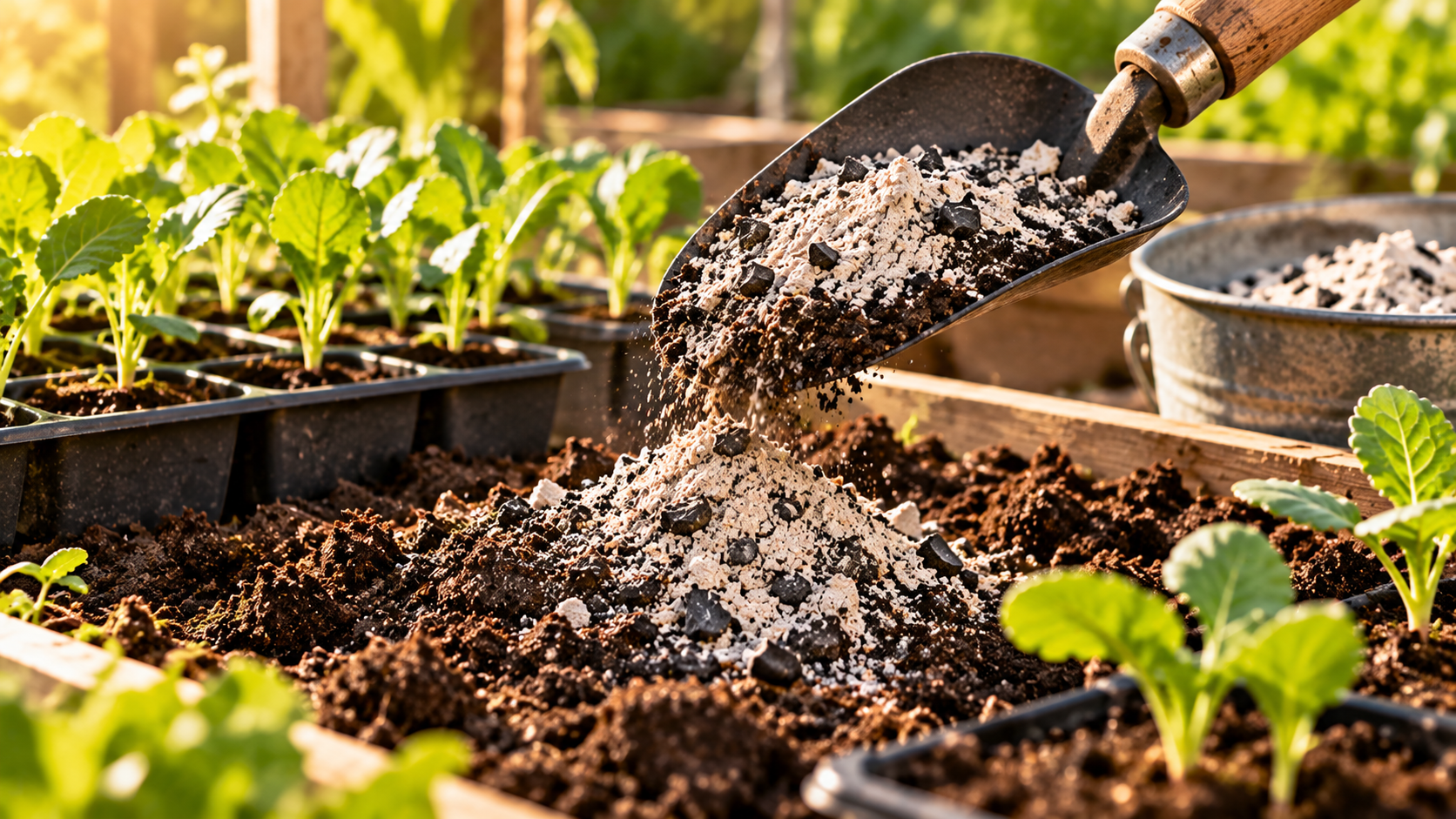
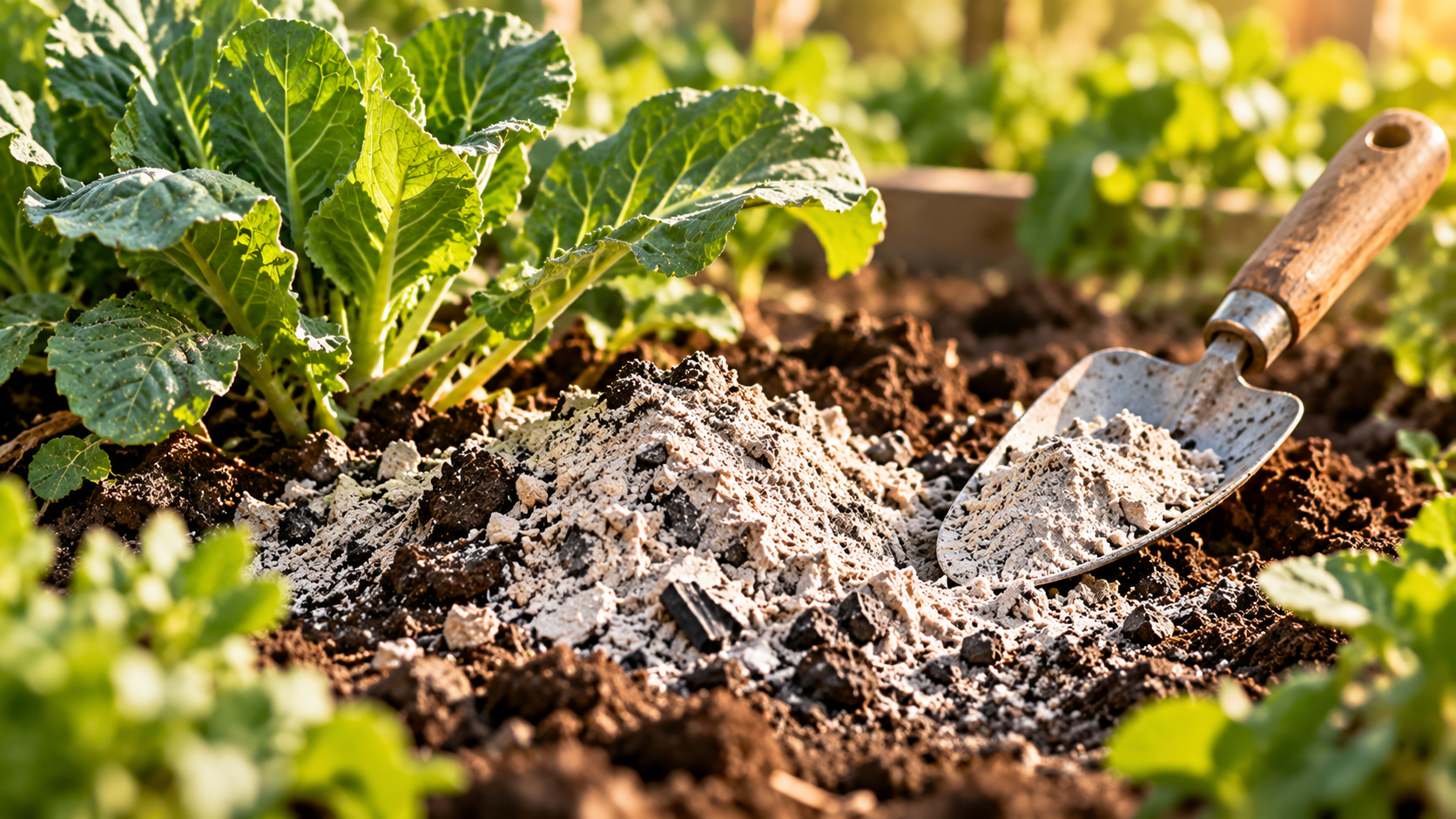
Dig some wood ash through the garden soil and water it in. Test the soil pH the following day.
Wood ash contains up to 70% calcium carbonate. While lime works gradually, wood ash can work more quickly.
Store your ash in a clean, dry drum or container with a secure lid.
Plant Healer
Wood ash can be made into a simple tea for plants showing signs of potassium deficiency.
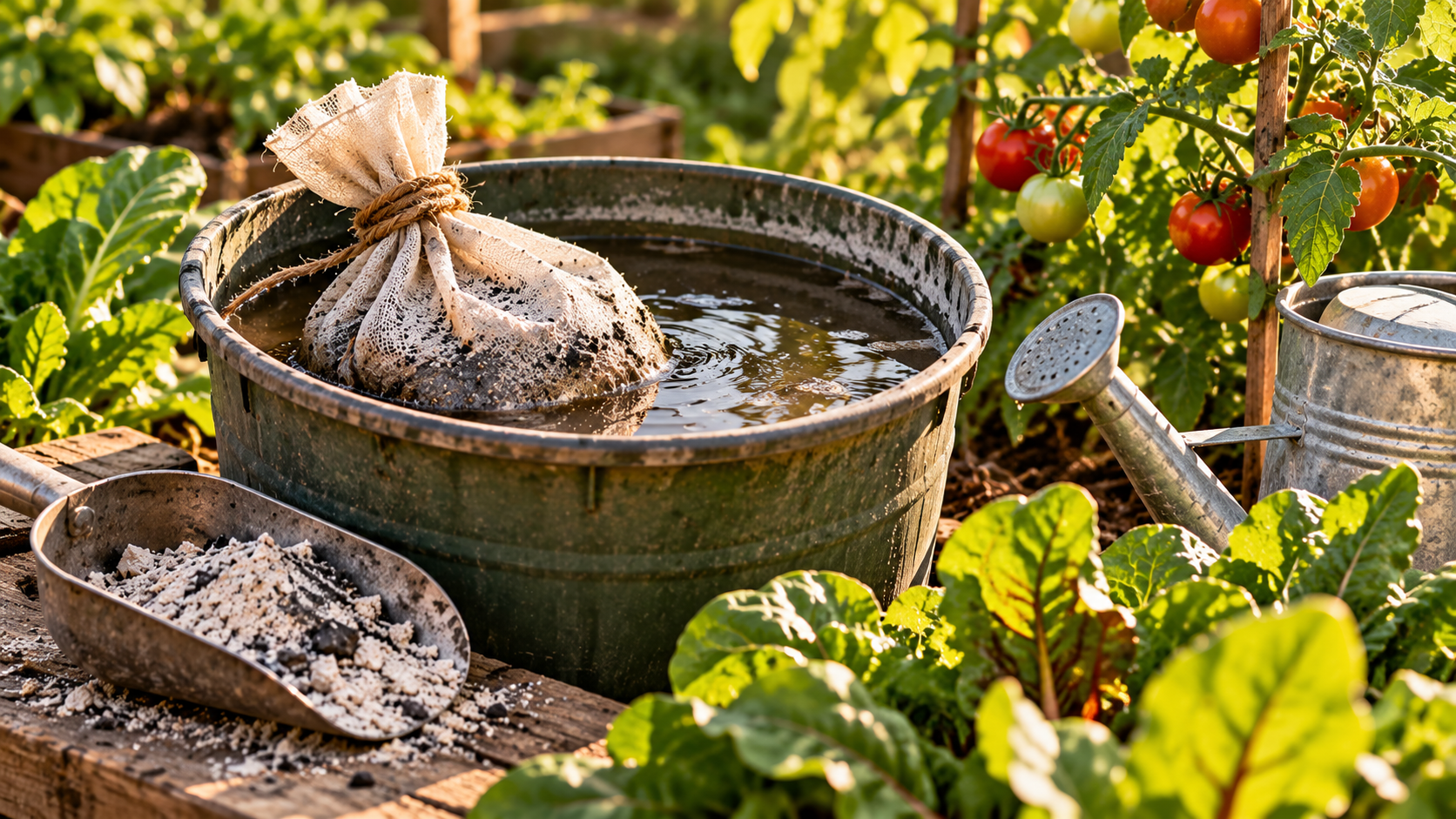
Half-fill an old pillowcase with wood ash and tie it securely. Fill an old garbage bin with water and place it somewhere shaded. Immerse the pillowcase in the water and leave it to steep for seven days.
Remove and discard the pillowcase and its contents. The mixture is then ready to use and does not need to be diluted.
Use one cup of wood ash tea around fruit trees, vegetables or flowers showing signs such as yellowing leaves, brown spots, yellowing leaf veins, poor cropping or slow or stunted growth.
At Earthkeepers, we particularly watch beets, raspberries, currants, apples, potatoes and tomatoes for signs of potassium deficiency in spring.
More Ways to Use Wood Ash in the Garden
Snail & Slug Repellent
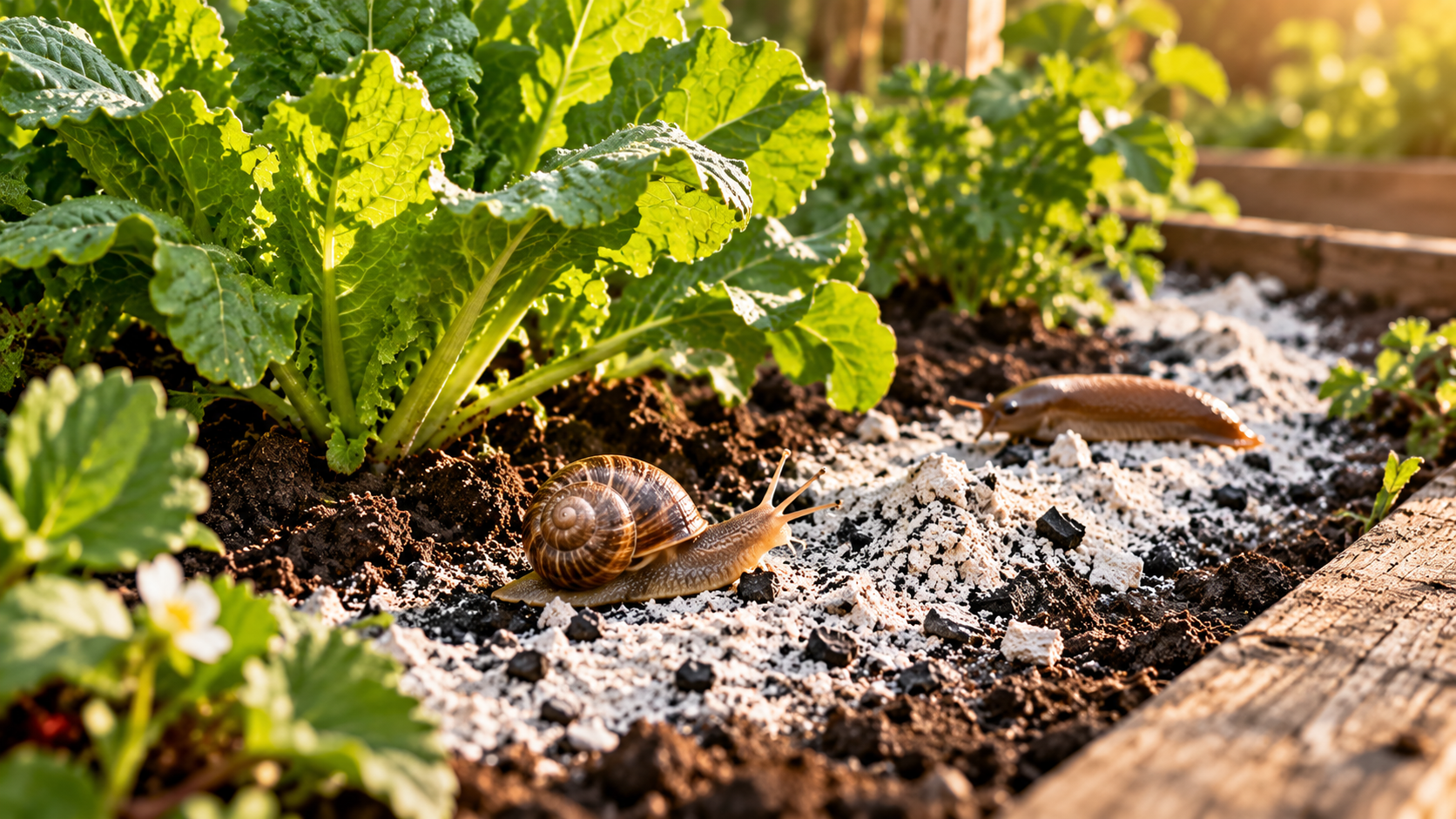
First check beneath the leaves to make sure no snails or slugs are already hiding on the plants.
Spread a thick layer of wood ash around the perimeter of the garden bed, keeping the ash away from plant stalks and leaves.
Compost Ingredient
Wood ash can contribute nutrients to your compost.
Ash should make up no more than 25% of the compost ingredients. Layer the ash through the compost heap as it is built, watering each layer as you go.
Lawn Health Tonic
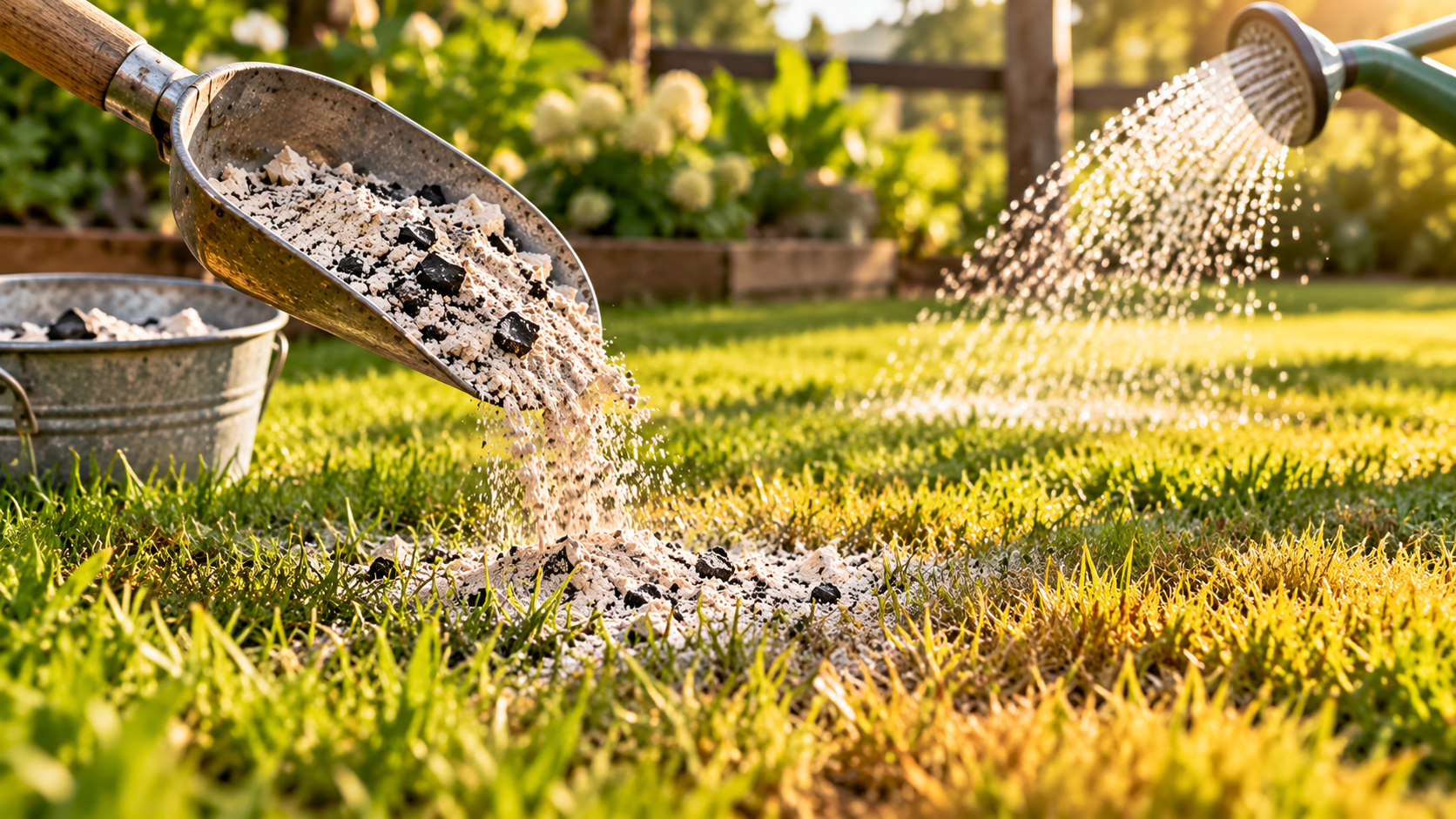
For yellowing patches of lawn, sprinkle a fine dusting of wood ash over the affected area and gently water it in.
At Earthkeepers, this is used as a tonic for grass and soil where there are problems with soil deficiency, evaporation or bleaching from the sun.
Seedlings
Avoid spreading wood ash directly around young seedlings, as they can be susceptible to the sodium contained in the ash.
Instead, mix the wood ash into the soil a few days before planting.
Potting & Re-potting Large Plants
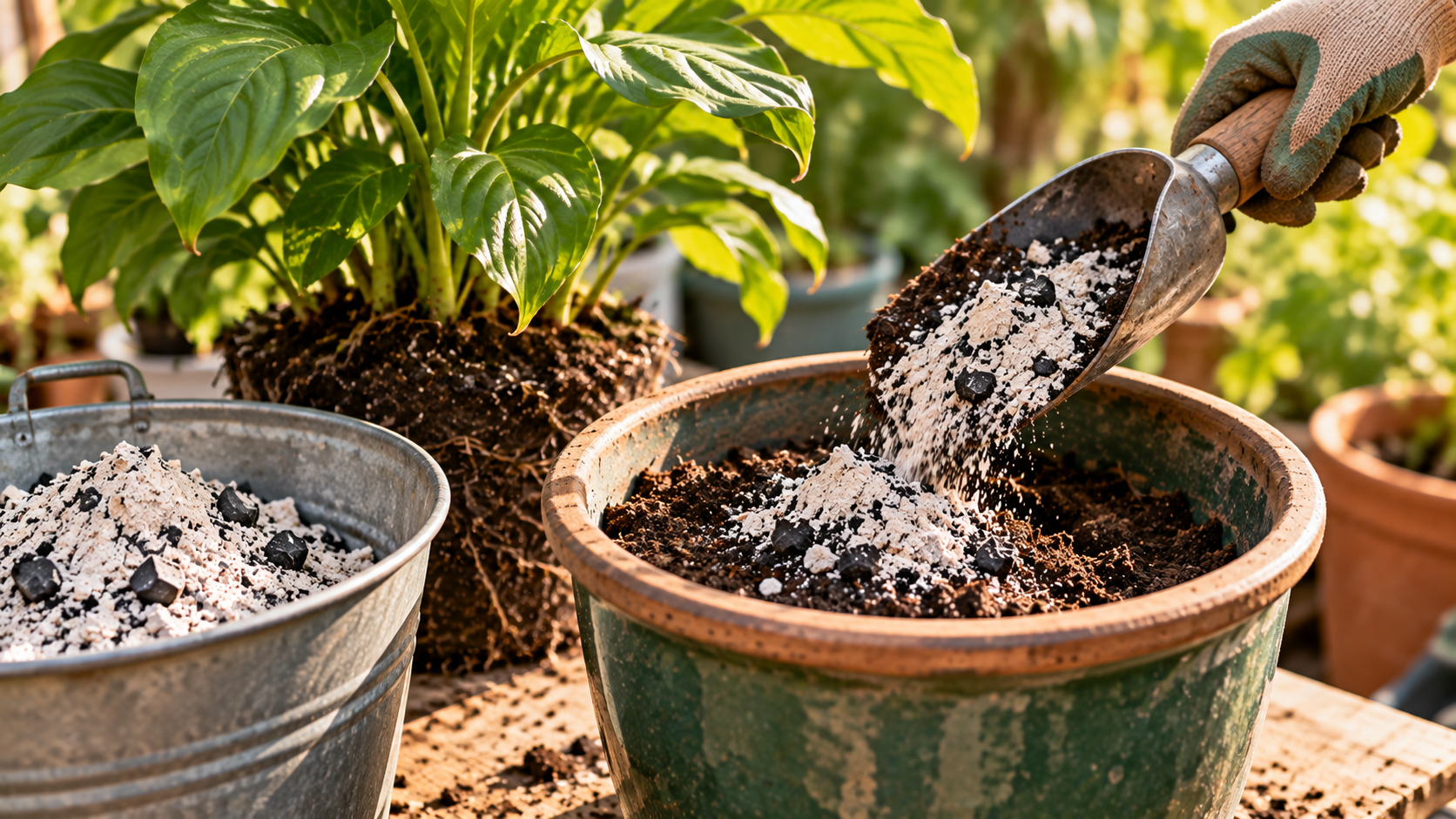
Place a thin layer of potting mix in the pot. Add one shovel of wood ash and cover it with another layer of potting mix.
Position the plant and finish filling the pot with potting mix.
Around the Home & Property
Wood ash doesn't have to be limited to the garden. At Earthkeepers, it is also put to use around the home and property.
Chicken Dust Bath
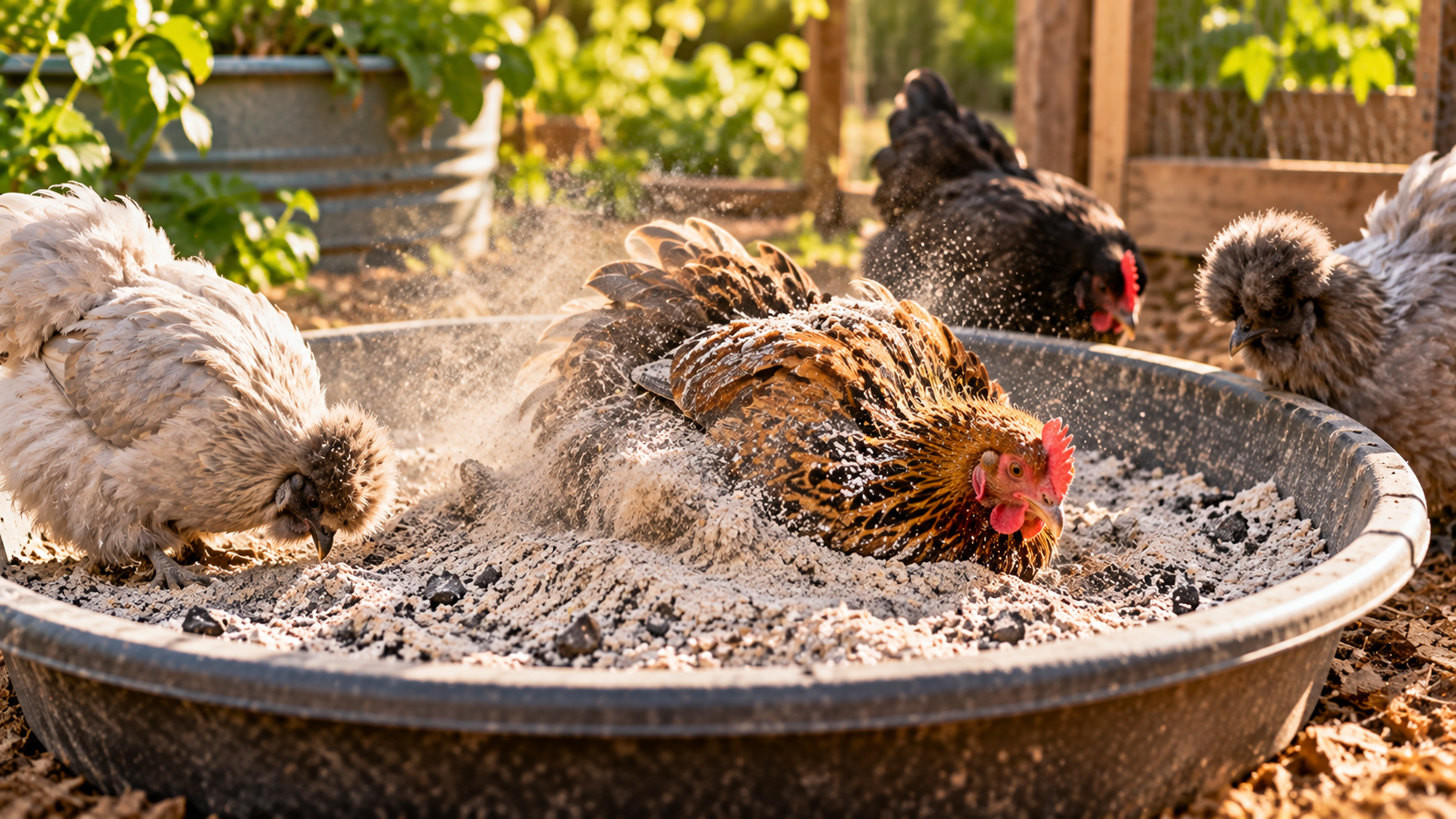
Mix 30% wood ash with 70% sand to create a simple chicken dust bath.
At Earthkeepers, this mixture is used to help the birds clean themselves while keeping lice and mites at bay and exfoliating the skin.
A children's plastic sandpit can make an inexpensive dust-bath container. When the contents need replacing, they can be added to the compost or homemade potting mix.
Cleaning Old Silver & Cloudy Glass
Mix one cup of wood ash with enough water to form a firm paste.
Apply the paste to the item and leave it for 3–5 minutes. Rub it off firmly using towelling, then buff with a soft cloth.
Removing Bad Smells
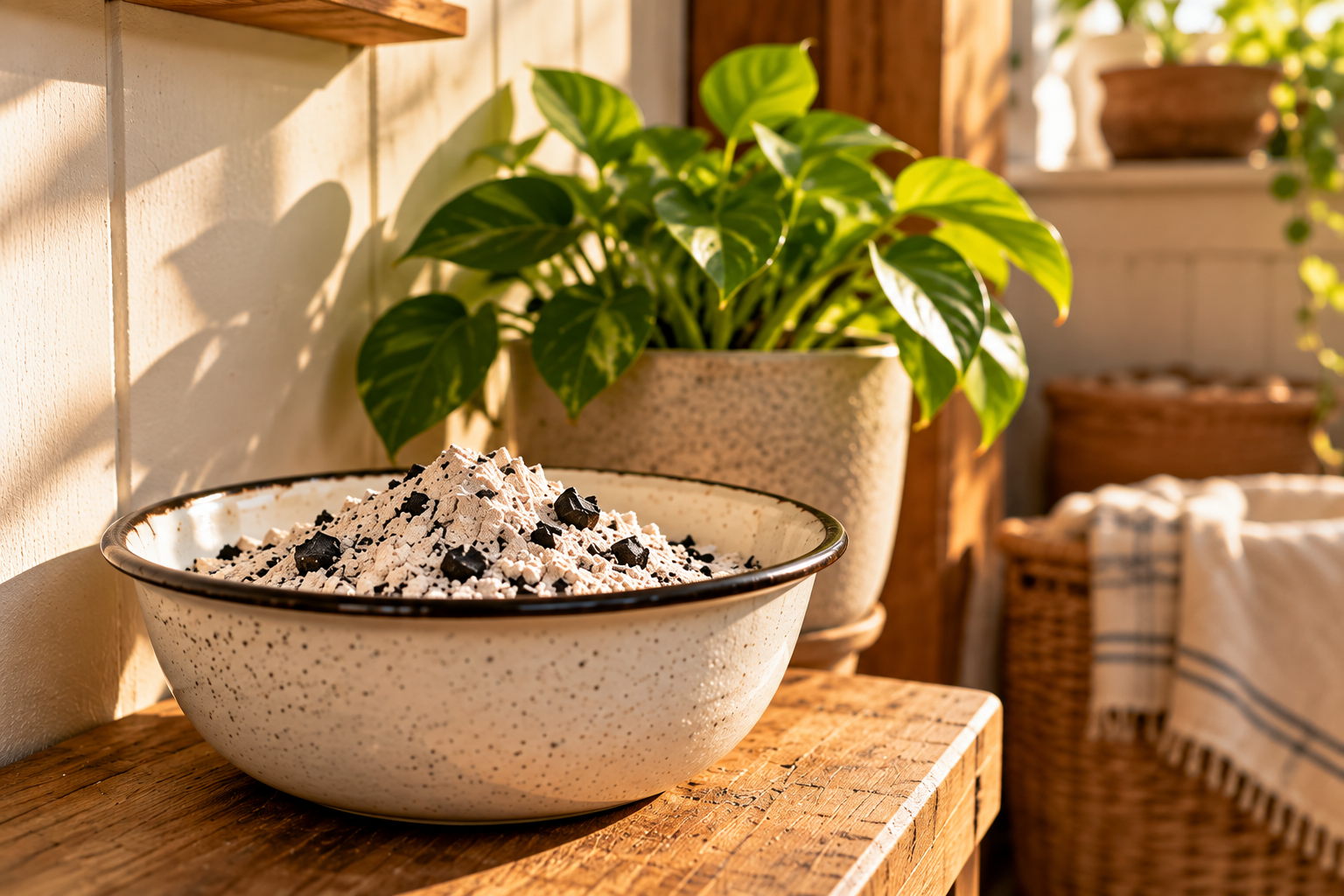
Place a cup of wood ash in a room with an unwanted smell, or spread wood ash over a smelly ditch.
If the smell continues, replace the ash every 2–3 days.
Cleaning Oil Stains
For oil or grease spills on porous surfaces such as concrete or stone, cover the spill with wood ash.
Leave it for approximately five minutes and then sweep the ash away.
A Resource Worth Keeping
Something as simple as the ash left behind from a wood fire can be given another purpose rather than being discarded.
From the garden and compost heap to the chicken yard and home, wood ash is another example of making the most of the resources already available to us.